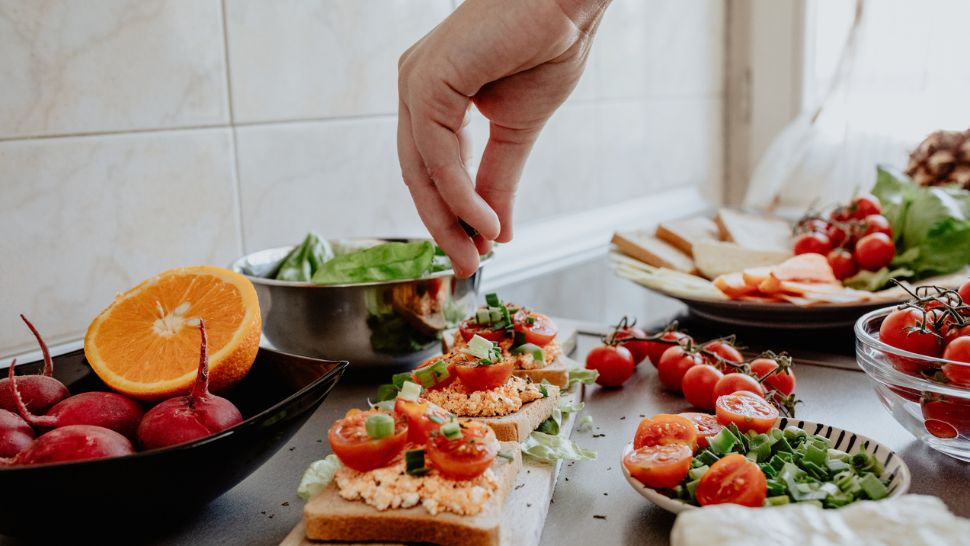
We’ve all been there — a day stacked with errands and to-dos, with barely a moment to pause, let alone sit down for a meal or snack. When hunger hits, it’s easy to default to whatever is closest (hello, vending machine). That’s often when snacking gets a bad reputation, but it doesn’t have to be that way.
The truth is, snacking isn’t “bad” and eating small meals or bites throughout the day is completely normal. In fact, around the world it’s common to have one or two large meals paired with smaller snacks instead of three-square meals. And when done thoughtfully, snacking can help keep your energy steady and your focus sharp. The key? Building snacks that include a balance of protein, complex carbohydrates (think fiber-rich foods), and healthy fats to help keep you sustained and energized.
Of course, not all snacks are created equal. Processed foods, specifically those high in added sugar and sodium, might give you a quick lift but will leave you reaching for more soon after. So how do you get the upside of snacking to meet your (hunger and energy) needs? The answer lies in planning ahead, so you’re ready with something that truly satisfies. Here are 5 feel-good tips to snack smarter:
- Listen to your body’s natural hunger cues. Hunger doesn’t always announce itself politely. It can show up as low energy, brain fog, empty or growling stomach, or even a headache. Waiting too long to eat after you start to feel hungry means you’re much more likely to grab whatever’s close than make conscious eating decisions on what will actually satisfy you. So, nip hunger in the bud when it strikes rather than letting it build up to a point of being “hangry.”
- Start with whole foods. Foods that are in their natural form or are lightly processed will keep you full for longer. Fruits, vegetables, nuts, seeds, whole grains, and eggs can provide a great start, and you can build from there.
- Eat a mix of protein, fiber, and fat. The most satisfying snacks bring a little bit of everything to the table. Aim to combine at least two of the three in any snack. That might mean pairing an apple (fiber) with nut butter (fat with a little protein) or hummus (protein and a little fat) with vegetables (fiber) or whole-grain crackers (also fiber). Other easy on-the-go options include nuts with dried fruit, a hard-boiled egg with some fruit or vegetables, or homemade energy bites.
- When picking packaged, use the same principles. Let’s be real, sometimes convenience wins. Grabbing something in a package is the quickest and simplest option from time to time — and luckily, food companies are now making plenty of prepackaged items that will keep you energized until your next meal. However, be wary of any health claims and instead look at the ingredients. Choose items that are mostly whole food-based, such as dried chickpeas, beet or kale chips, or whole-grain crackers. Pair these with something that has protein and fat, like hummus or cheese. Energy or protein bars can also be a great option but look for ones with minimal or no added sugar.
- Think beyond typical “snack” foods. Who says snacks have to look a certain way? Have a small amount of leftovers that aren’t enough for a meal? Why not make it a snack that requires zero preparation beyond putting it in a container? When you think beyond snack foods, you’re more likely to put something nutritious on your plate. Some of our favorite out-of-the box combinations include roasted sweet potatoes with nut butter, a three-bean-and-vegetable salad, half an avocado with a spoonful of salsa, or half a vegetable and hummus sandwich.
If you find yourself reaching for more than one snack between meals, it may be a sign that your regular meals need to be more filling. At the end of the day, smart snacking is about listening to your body, planning ahead, and choosing foods that help you feel your best.