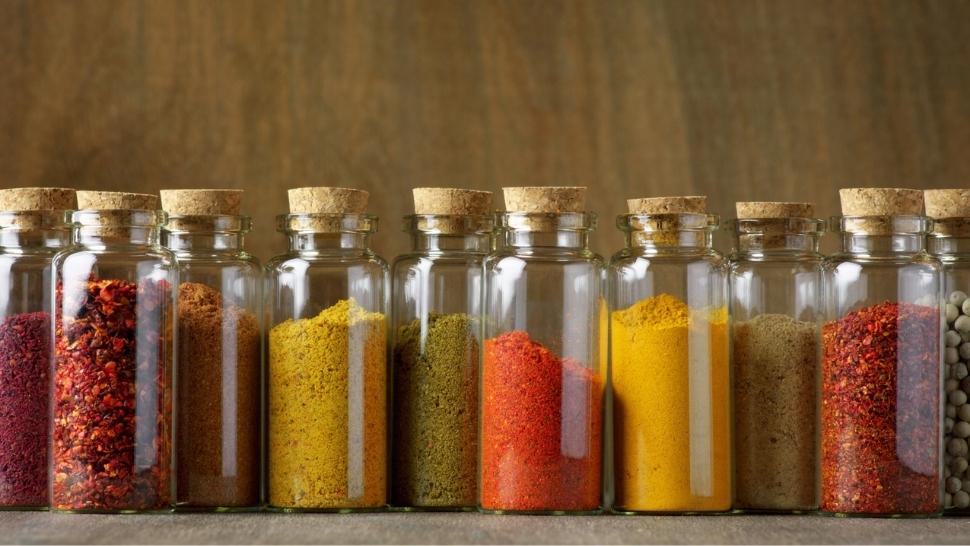
Spices are bold personalities in your pantry, but as it turns out, spices do more than add flair to your food. From aiding digestion to reducing inflammation, many culinary spices come with compelling scientific credentials. Let’s take a look at seven spices and how they add both flavor and function.
Cardamom
Cardamom is a spice made from the dried seeds of the elettaria cardamomum, an herbaceous plant in the ginger family. The seeds have a warm, aromatic flavor and are commonly used in South Asian curries and in Scandinavian baked goods. Studies show that cardamom seeds are high in antioxidants and may help reduce inflammation because of their cell-protecting properties.
Try it in: Eggplant with Coconut, Mint, and Pistachio
Cumin
Cumin is a spice made from the whole or ground seeds of the cuminum cyminum plant, a member of the parsley family that is native to the Mediterranean. It has a deep warm and nutty flavor, and is most often used in Indian, North African, and Mexican cuisines. Research has shown a range of health benefits including immune function, anti-inflammatory effects, aiding in digestive health, blood sugar control, and improved cognitive support.
Try it in: Baked Falafel with Cucumber Yogurt Tzatziki Dip, Cumin-Scented Wheat Berry and Lentil Soup
Fenugreek
Fenugreek is a spice made from the seeds of the fragrant trigonella foenum-graecum plant, a Mediterranean herb that is part of the pea family. It has a pungent and somewhat bitter flavor like burnt sugar, and is commonly used in Greek, North African, and Indian cuisines. Studies have demonstrated that fenugreek may help to stabilize blood sugar levels, support cardiovascular health, and have strong antioxidant properties.
Try it in: Traditional Butter Chicken
Sumac
Sumac is a spice made from the red berries of the rhus coriaria, a flowering shrub plant that is a cousin of cashews and mangos. The tangy and slightly citrus-tasting spice is made from the ground sumac berries and is used in Middle Eastern cuisines in meats and rice dishes – it is an important ingredient in the famous za’atar spice blend. Sumac is also high in antioxidants and research suggests it may help balance blood sugar levels, have anticancer properties, and support cardiovascular health.
Try it in: Edamame Burgers with Sumac-Spiced Carrot Peels
Turmeric
Turmeric is a brightly colored orange spice made from the tuberous rhizomes of the curcuma longa plant, a cousin of ginger. It has a pepperlike and somewhat bitter warming flavor and is commonly used in Indian and other South Asian cuisines and gives many curries their bright yellow color. Turmeric is also often used in alternative medicine and research has shown that curcumin, the active ingredient in turmeric, has anti-inflammatory properties due to its high amount of antioxidants.
Try it in: Turmeric, Potato, and Cauliflower Coconut Curry Soup, Golden Milk Latte
Saffron
Saffron is a spice made from the pollen-bearing stigmas of the crocus flower, crocus sativus, which are hand-picked and dried and ground for culinary use. Because of the labor needed to cultivate, it is the most expensive spice in the world and weighs more by weight than even gold. Saffron has a pungent floral flavor and a bright red color, and is used in Middle Eastern, Asian, and Mediterranean cuisines. Saffron is also high in carotenoids, a family of antioxidants, and studies have shown the spice to have mood-elevating benefits in people with symptoms of depression.
Try it in: Monkfish Stew with Saffron Broth
Za’atar
Za’atar is a mixture of spices that has been used in the Middle East and Mediterranean for centuries. It was originally made with wild thyme, oregano, and other herbs that were harvested by hand, but today it can be purchased as a dry herb blend of thyme, sesame seeds, oregano, marjoram, and sumac. It is great on meats, flatbreads, and sprinkled on top of roasted vegetables. The combination of herbs and spices in za’atar and the synergistic benefits may help reduce the effects of gastrointestinal and metabolic diseases, alongside existing treatments.
Try it in: Sauteed Tofu with Spring Vegetables and Za’atar
Your spice rack might just be your most underrated wellness tool. Whether you’re looking to tame inflammation, support digestion, or simply jazz up your quinoa bowl, a sprinkle of spice can do the trick. So go ahead—season boldly and frequently. Your taste buds will thank you.